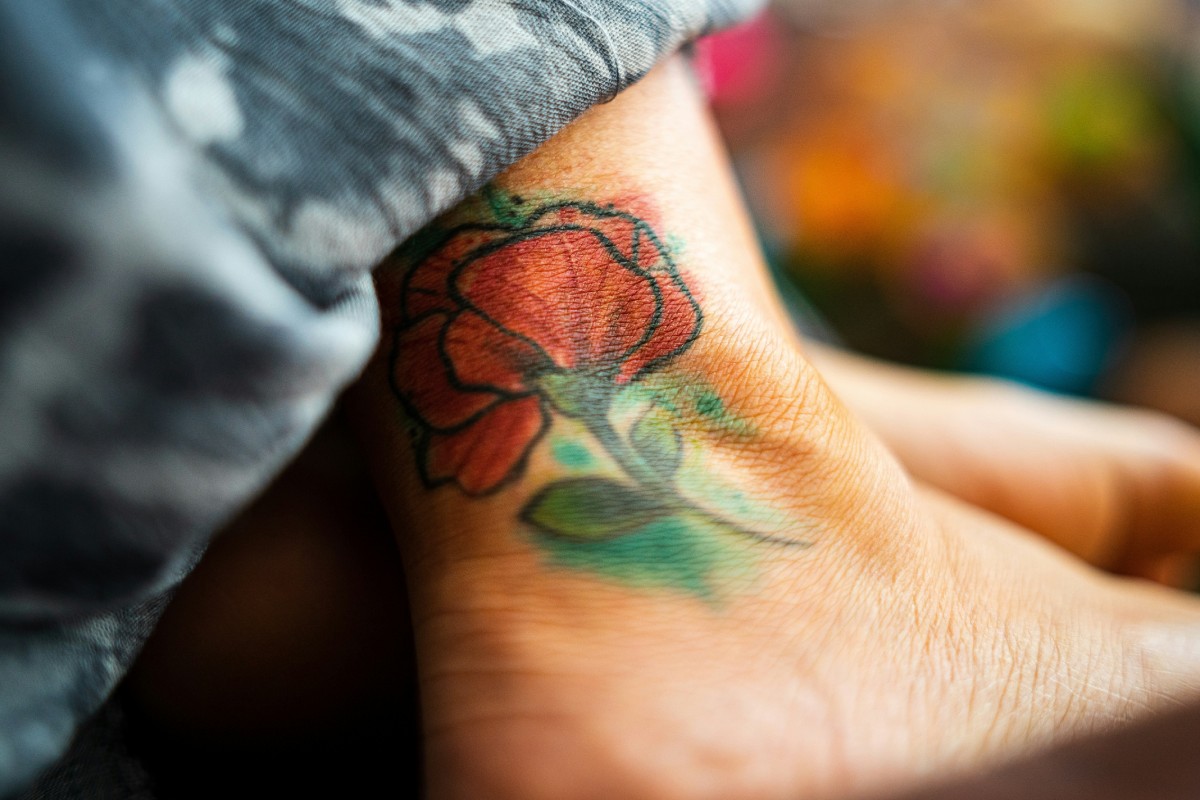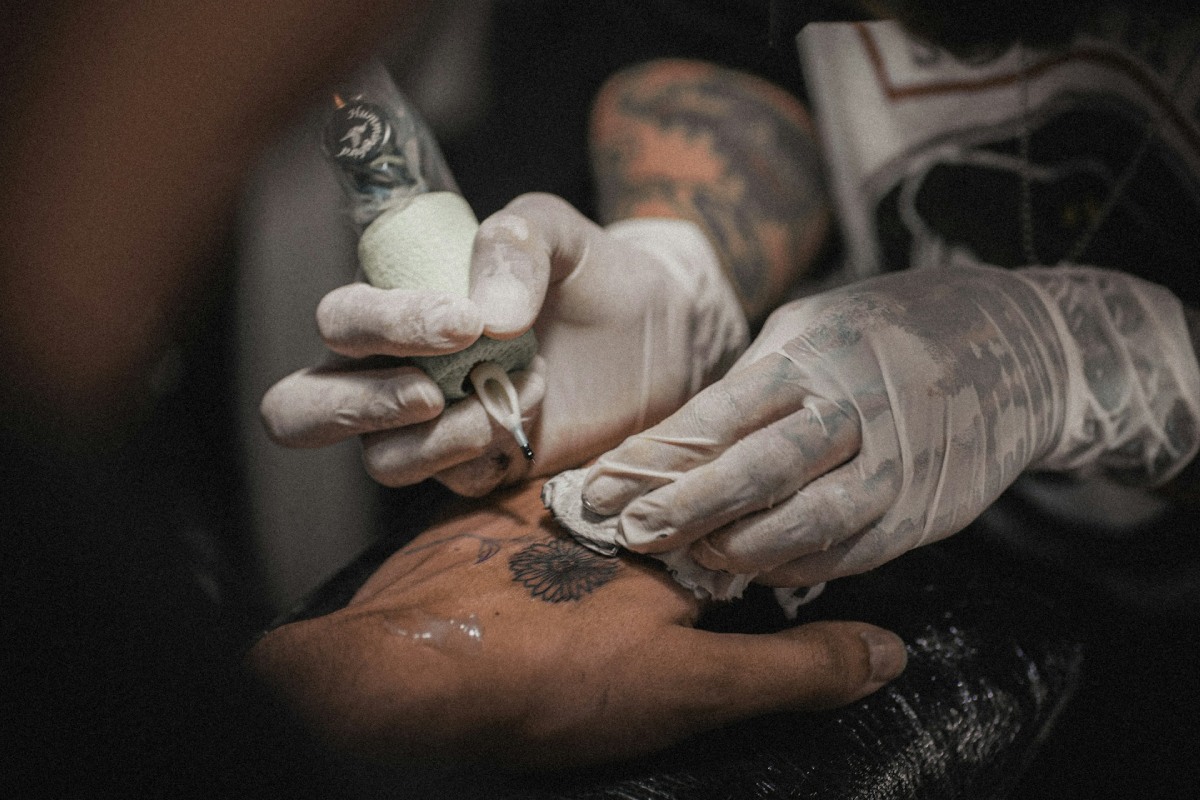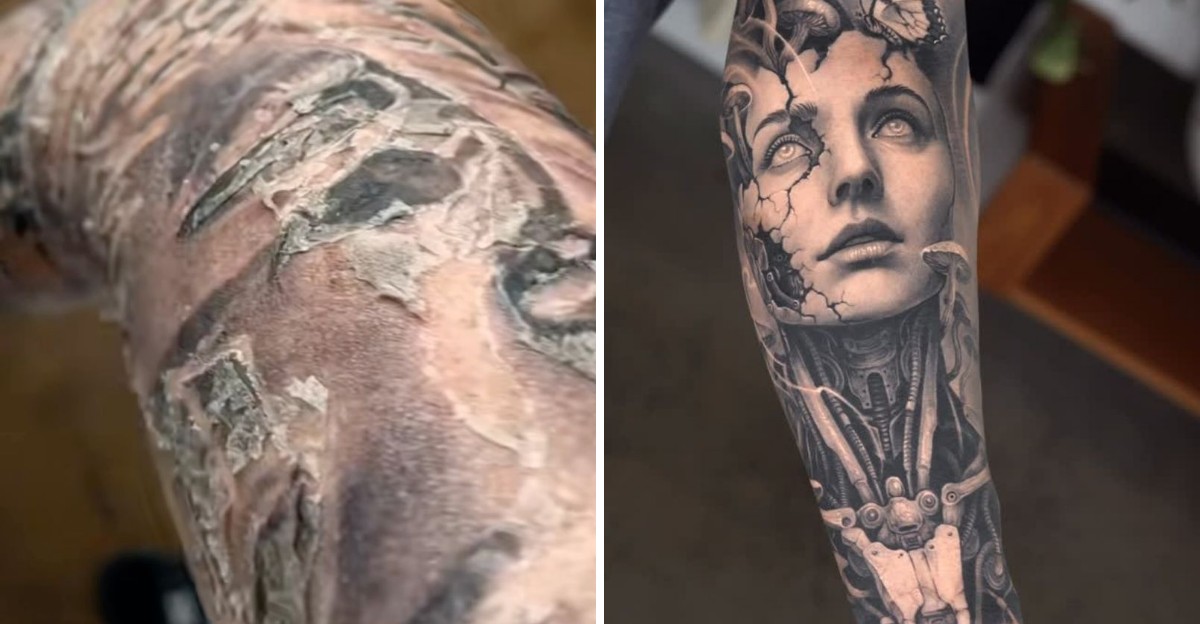
A brand new tattoo is basically an open wound wearing a fancy outfit. That sounds dramatic, but the healing process proves it.
Your skin treats fresh ink like any other injury and gets right to work.
The wild part is how weird the middle phase can look. Many fresh tattoos turn cloudy, flaky, and dull for a while.
Some people panic and think their artwork got ruined overnight.
I find that phase oddly fascinating. Your body is building new skin right over the design, layer by layer.
The cloudy look usually fades as that fresh skin settles.
Knowing what to expect makes the whole ride calmer. Itching, peeling, and shiny patches can be completely normal at the right time.
Other signs deserve a closer look from a professional. So which stage is your tattoo in right now, and is it acting the way it should?
The First Few Days
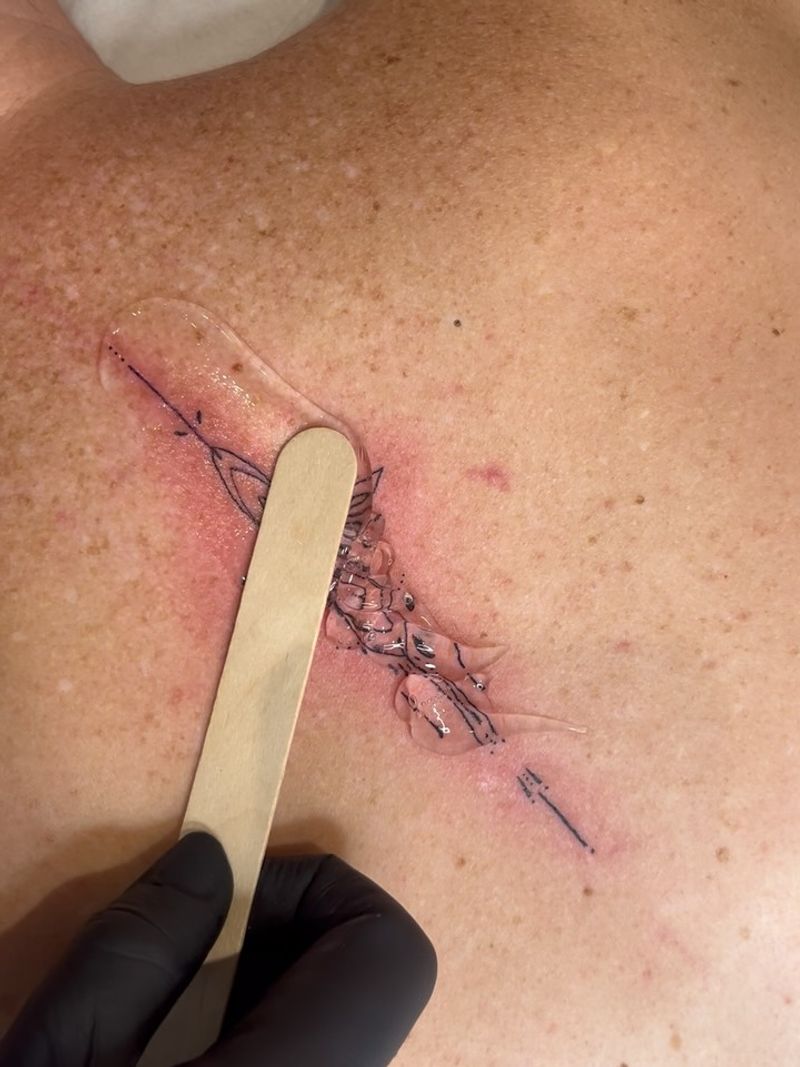
Fresh ink often looks a little angry, and that’s okay. Mild redness, light swelling, and warmth around the design are common in the first couple of days.
You may also notice clear fluid, extra ink, or a bit of plasma seeping out. Gently wash the area with clean hands and mild, fragrance-free soap.
Pat it dry with a paper towel instead of rubbing.
Follow your artist’s aftercare sheet closely during this stretch. Redness that keeps spreading, or swelling that gets worse after a few days, is worth checking with a doctor.
Tenderness And Oozing Phase
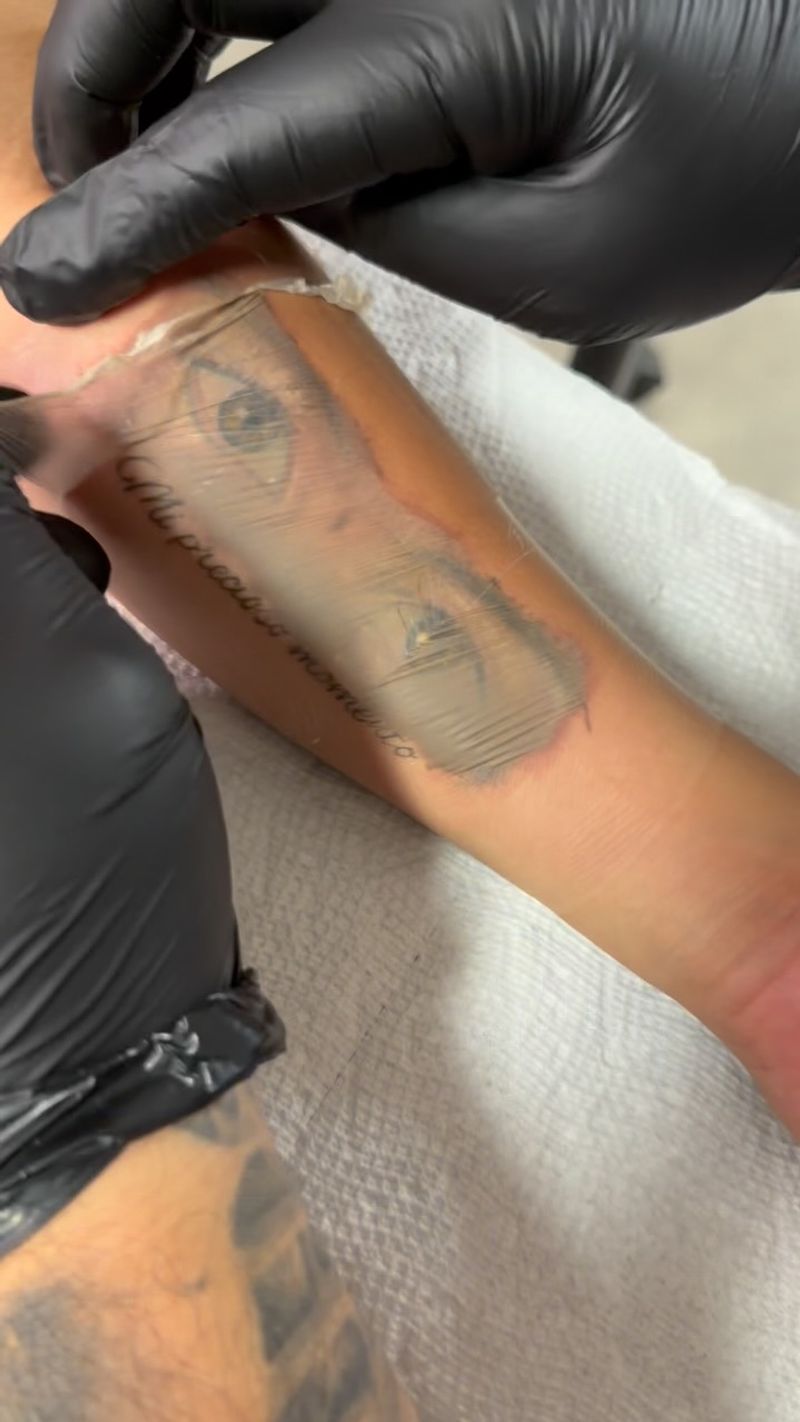
Sore like a sunburn? Plenty of fresh tattoos feel that way for several days.
The spot might ache when clothes rub against it or when you bump it.
Small amounts of ooze can dry into a slightly sticky film on the surface. Washing it off gently helps keep that film from hardening into thick crusts.
Loose, soft fabric is your friend during this phase. Tight sleeves or waistbands can rub the area and pull at healing skin.
Keep pets, dirty sheets, and gym equipment away from it as much as possible, too.
Light Scabbing Begins
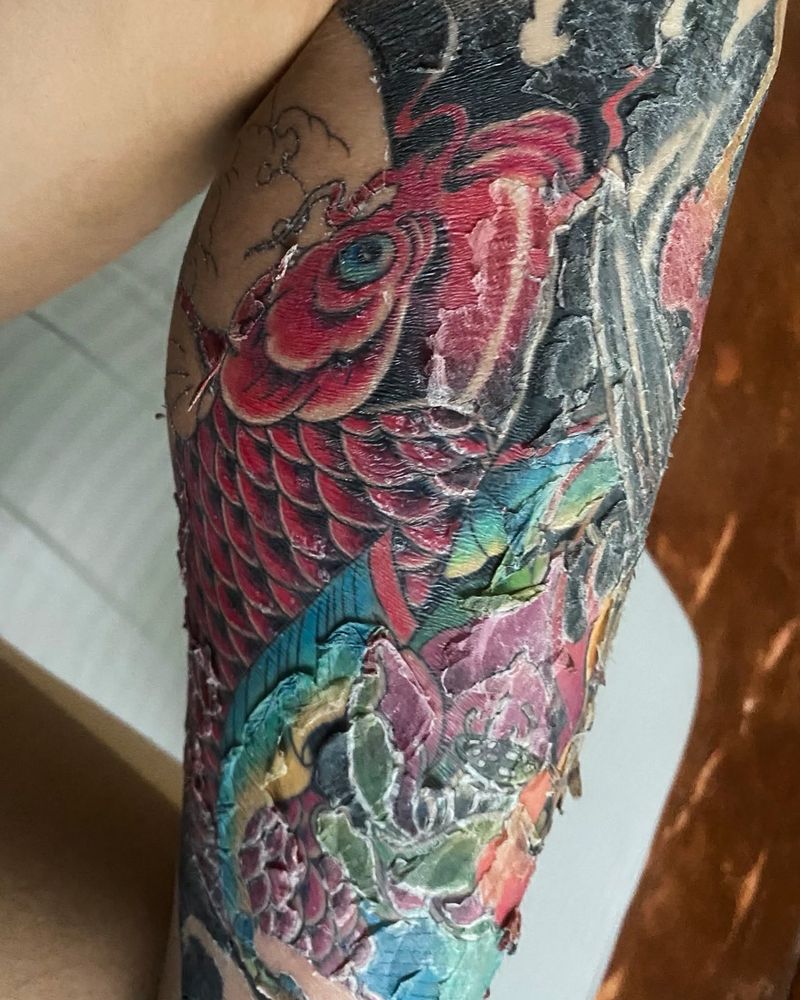
Around the end of the first week, a thin crust often forms over the ink. Thin scabs are normal, especially over areas with heavy shading or bold lines.
Thick, raised scabs can happen too, though they tend to need extra gentle care. Keep the skin lightly moisturized with a thin layer of the product your artist recommends.
Picking a scab can pull ink right out with it. That could leave patchy spots that need a touch-up later.
Hands off is the golden rule here, even when one edge is practically begging you.
Itchy And Flaky Skin
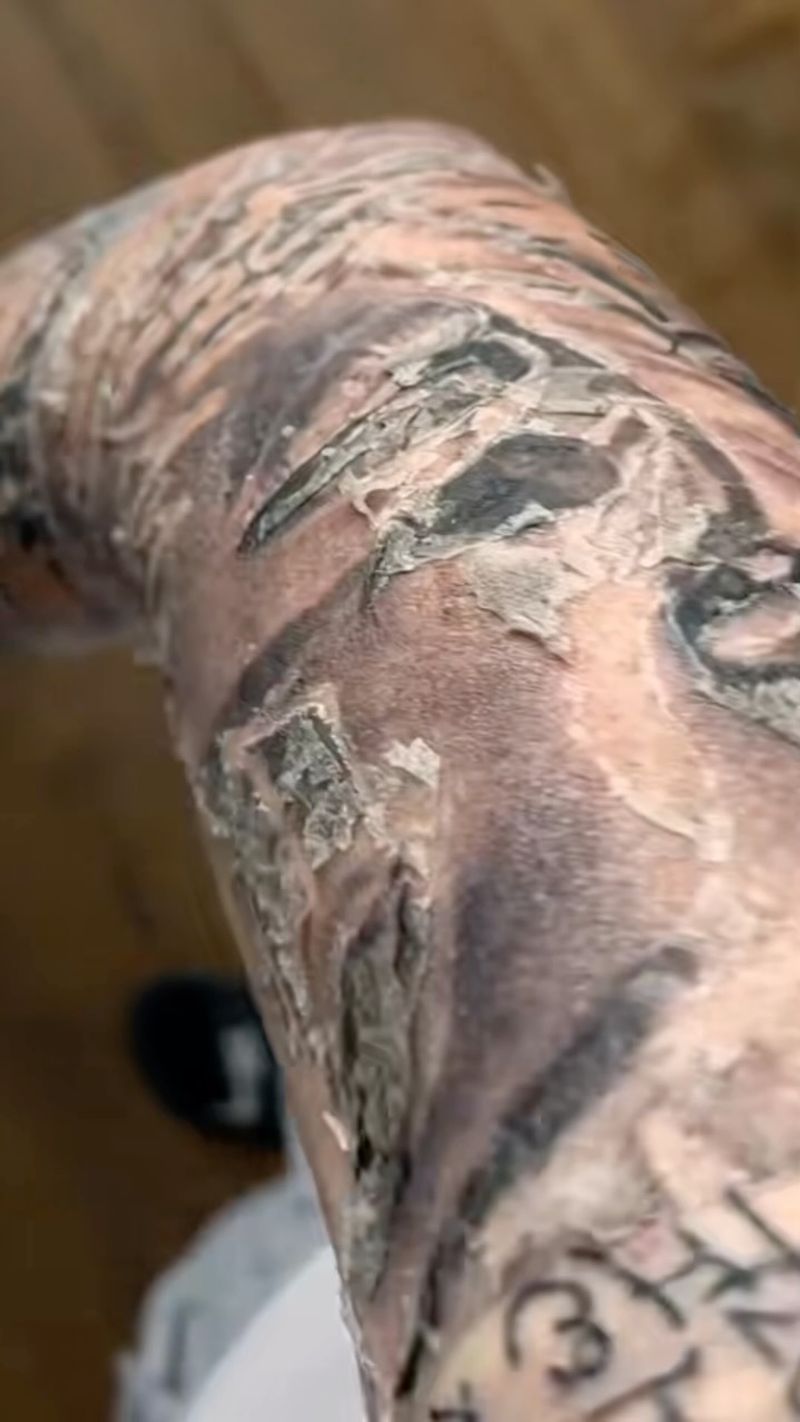
Congratulations, you’ve reached the most annoying chapter. Itching often shows up as the skin starts healing, and peeling usually follows close behind.
Flakes may carry tiny bits of colored skin, which can look alarming. Those flakes are typically dead surface skin, not your tattoo falling apart.
A light tap or a gentle layer of unscented lotion can calm the urge to scratch. Avoid hot showers, which can dry skin out even more.
Long soaks in baths, pools, or hot tubs are usually off limits until healing finishes, so plan beach days accordingly.
Cloudy Milky Look
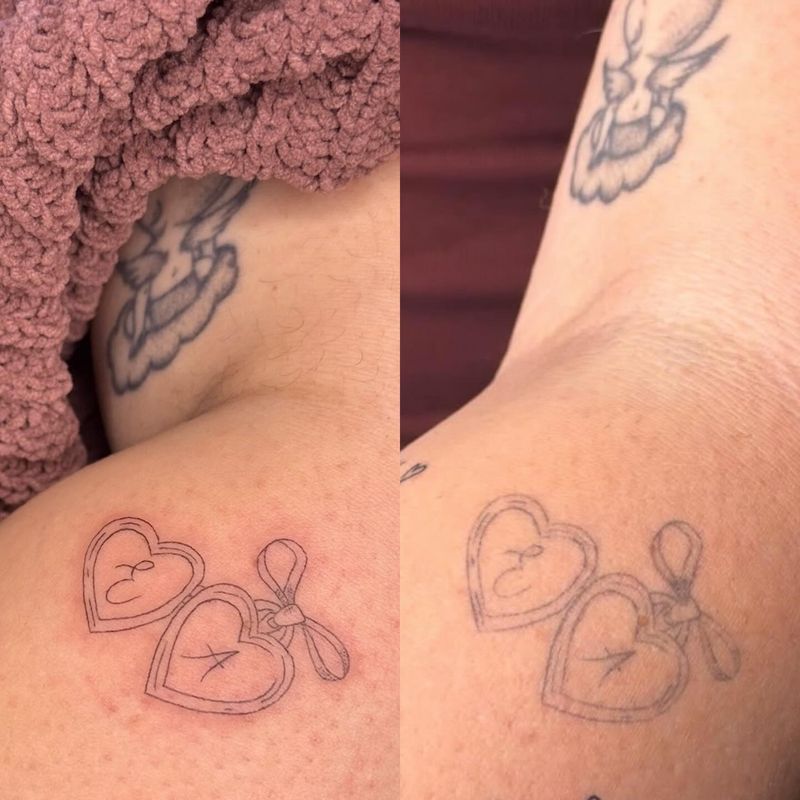
Nobody warns you that your gorgeous ink may suddenly look foggy. After peeling, many tattoos develop a dull, milky layer often called the cloudy stage.
A thin sheet of new skin sits over the design during this phase. It can make lines look softer and colors look faded for a while.
Patience usually pays off here. The haze tends to clear as that skin matures over the next few weeks.
Hold off on judging the final result or booking a touch-up too early, since the real colors often need time to show up again.
Shiny Skin Settling Down
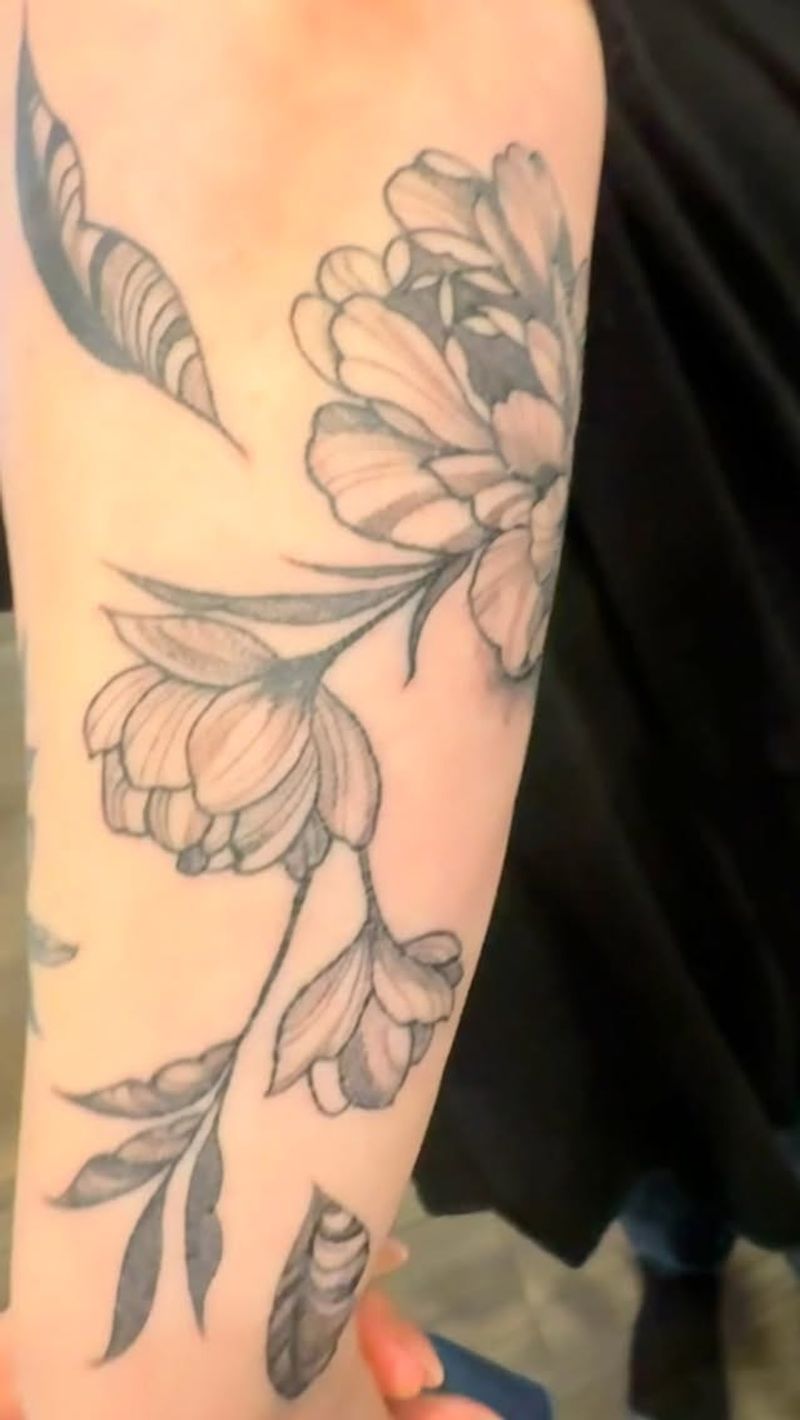
Slightly glossy skin over a newer tattoo is a common sight around weeks three and four. The surface may look smooth and shiny, almost like a fresh scar.
Raised lines can also appear on and off, especially in heat or humidity. Many people notice mild puffiness that comes and goes during this period.
Sunscreen becomes a big deal once the surface is fully closed. Ultraviolet light is well known for fading tattoos over time.
Until then, covering up with loose clothing is a gentler way to protect your new artwork outdoors.
Deep Healing Underneath
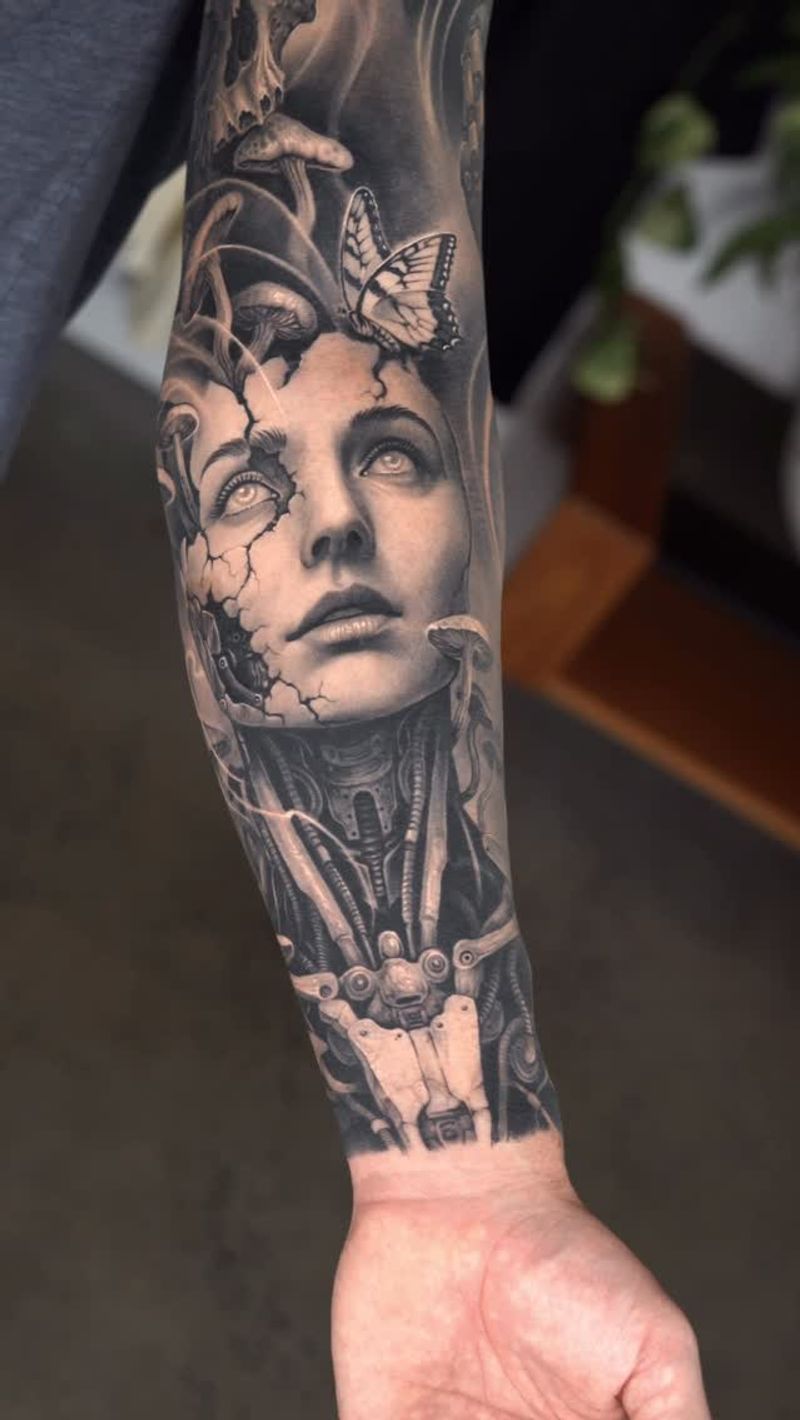
Looks healed on top? The deeper layers may still be catching up.
Skin under a tattoo often takes a few months to fully recover, even after the surface seems finished.
By this point, the design should look crisp, with clear lines and settled color. Light dryness can linger, so keep moisturizing now and then.
Missing patches or blurry spots are worth showing your artist for a possible touch-up. Lasting pain, heat, pus, or fever are different stories and need a doctor.
Otherwise, enjoy your fully grown-up tattoo, and keep that sunscreen handy.